On average, the liver processes about 15 mg of alcohol per hour, or around one standard drink per hour for an adult man. Several factors can impact how long alcohol remains in your body, from your age and gender to the type of drinks you consume. Alcohol urine tests are often used in scenarios where on-the-job intoxication could pose a serious risk to people’s lives. If there is an accident in a workplace, drug tests (including for alcohol) are often conducted, especially if we are seeking worker’s compensation or short-term disability.
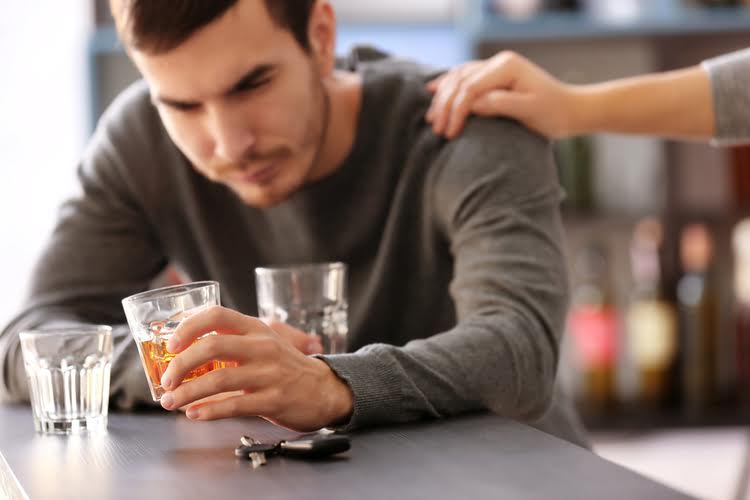

While staying hydrated supports overall health, water does not significantly accelerate alcohol metabolism or elimination from the body. Changing your relationship with alcohol isn’t just a single moment in time where you switch it off. It’s an ongoing process of healing, trial and error, successes and setbacks, and finding what works for you. Many people reduce or stop drinking safely with the right professional support. All alcohol types contain ethanol, which is converted into ETG by the body. Alcohol can be detected through urine ETG testing for 1 to 5 days, depending on how much was consumed and the person’s metabolism and liver health.

It means that individuals with higher body fats and less water content metabolize alcohol more slowly than those with low-fat content. Detection time matters for legal, medical, and employment-related screenings. Food consumption also affects how your body processes alcohol but not how long it takes for it to leave your system. Drinking on an empty stomach causes the alcohol to move quickly through your body, enhancing the effects of alcohol, including a hangover. Understanding the variables that affect the duration of alcohol’s presence in urine is crucial for interpreting urine alcohol tests accurately.
Blood Alcohol Testing
Some people how long does alcohol stay in your system being tested for cocaine may mistakenly believe they can have a positive result due to recent Novocaine use, or drugs with names similar to cocaine. However, certain tests may screen for alcohol, like ER toxicology screens and breathalyzer tests used by law enforcement. AddictionResource.net, and its parent company Recovery Guide LLC, is not a treatment provider and does not offer medical advice or clinical services. We receive compensation from Treatment X in exchange for ad placement. This advertisement is clearly marked and is separate from our editorial content.
Realistic ETG Detection Times: How Long Alcohol Stays in Urine
While alcohol is socially accepted and legally accessible in many countries, its classification as a drug requires people to consume it responsibly. However, the most crucial takeaway is the importance of responsible drinking. Drinking alcohol in excess can have severe health consequences, impair judgment, and increase the risk of accidents or legal issues. If you choose to drink, do so in moderation and always designate a sober driver if needed. Alcohol is metabolized in the body primarily by the liver, where enzymes like alcohol dehydrogenase (ADH) and aldehyde dehydrogenase (ALDH) break it down. The process converts alcohol to acetaldehyde, then to acetic acid, and finally to carbon dioxide and water.


Stage 4 Liver Cancer: How Long to Live?
This is another metabolite that can detect the presence of alcohol in the body. When a person drinks even relatively small amounts of alcohol, EtG is formed and can be detected in the urine. EtG testing is one of the most sensitive tests for detecting traces of alcohol. EtG stands for ethyl glucuronide, which is a direct metabolite or by-product of alcohol or ethanol.
Health Products
It is FDA-approved for consumption (for adults over 21 in the U.S.) but is also regulated due to its potential for abuse. Alcohol is rapidly absorbed into the bloodstream, primarily through the small intestine, and its effects are felt within minutes. Navigating a dynamic legal landscape is vital, with over 500 bills annually reflecting evolving attitudes and regulations concerning substance use and testing (DISA, NDASA). Laboratories face potential legal liabilities, emphasizing the need for accuracy and compliance with up-to-date drug testing laws.
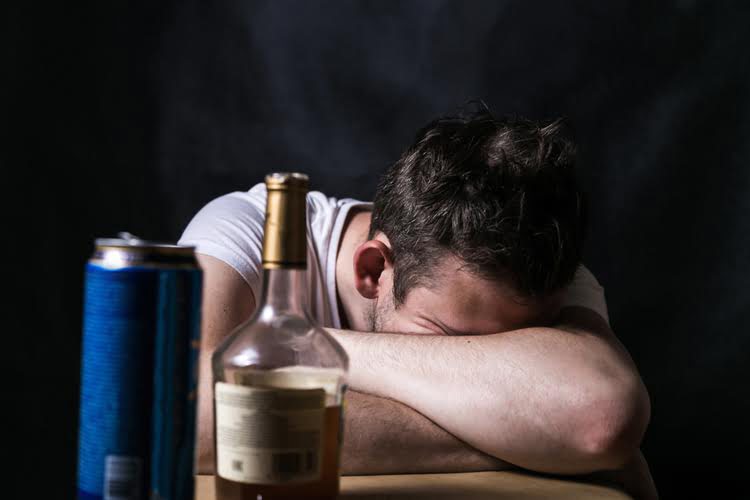
It may even occur with in vitro (within the body) bacterial conjugation of glucuronide with ethanol. The substance travels via bloodstream and gets filtered out by the kidneys, where it gets excreted in the urine. Impaired DrivingOne of the main reasons people fret over “how long alcohol stays in urine” is ensuring they aren’t impaired while driving or operating marijuana addiction machinery. Even after your immediate “drunk” feeling dissipates, your BAC or bodily ethanol might remain elevated.
- The analysis takes about hours, about 24-48, before the results become available for you or the requesting organization.
- Reducing stress can help you resist the urge to drink and support your overall health.
- Blood alcohol concentration and urine alcohol concentration are different.
- Some people being tested for cocaine may mistakenly believe they can have a positive result due to recent Novocaine use, or drugs with names similar to cocaine.
- Each standard drink increases BAC levels by 0.02 in the minutes it takes your body to absorb alcohol.
- In this blog post, we will explore the factors that influence the presence of alcohol in urine, the detection timeframes, and why it’s crucial to be mindful of responsible drinking.

They will start losing their sense of balance and may vomit given the excess alcohol in the blood since the body can’t quickly metabolize the alcohol. Ethyl glucuronide (EtG) alcohol tests are a newer form of urine test for alcohol. These tests look for EtG, a byproduct of alcohol use, rather than alcohol itself.
But having several drinks can extend the detection period for 72 hours. So even when you have a weekend drinking session with your friends, it may be detectable on a Tuesday’s random EtG testing at your workplace. EtG testing is straightforward but it is a carefully controlled process, so the results are accurate. When you arrive for testing, you will be given a collection container where you will collect the urine sample. The process is typically under supervision to prevent tampering of the sample. There is, however, a difference between detecting unchanged ethanol in urine and detecting metabolites (like EtG) that reflect recent alcohol breakdown.
The amount and frequency of alcohol consumed also directly affect detectability. Heavy or chronic drinking prolongs the presence of alcohol and its metabolites. Hydration levels can influence test results; while drinking water does not speed up alcohol elimination, dehydration can concentrate alcohol in the urine, affecting test outcomes.
Alcohol stays in your system for one to three hours, but urine tests and breathalyzers detect alcohol use for up to 24 hours. Depending on the body system and test used, alcohol detection times may vary. Ultimately, the best approach is to manage alcohol intake responsibly, spacing out drinks, ensuring hydration, and respecting personal or regulatory mandates. Understanding how long alcohol stays in urine is crucial for those monitoring alcohol intake or undergoing alcohol detection tests.