



A journal is also used by those in the investment finance sector. All the expenses and losses as well as all the incomes and gains come under Nominal Account. Expenses include Salaries Paid, Rent Paid, Discount Allowed Etc. and Incomes include Commission Received, Interest Received, Discount Received Etc. This similarity extends to other retailers, from clothing stores to sporting goods to hardware. No matter the size of a company and no matter the product a company sells, the fundamental accounting entries remain the same.
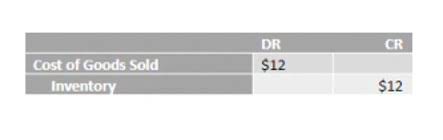
Step 3: Decide Debit and Credit Amounts

Example Step 1 – Electricity Expense of 1,000 is unpaid on the balance sheet date. Description includes relevant notes about the business transaction—so you know where the money is coming from or going to. You’re recording transactions in a journal going to meet up with a client, pick up some office supplies, and stop by the bank to make a loan payment. To show how the accounting process works, we are using the Ace Consulting problem for several videos. Each account has a left, or debit, side and a right, or credit, side. From now on, we will not say left or right, but we will say debit or credit.
- Regular reviews will produce error-free books and ensure that your cash flow statements and profit & loss statements reflect your business’s financial health.
- This system ensures that every transaction is recorded with both a debit and a credit.
- When filling in a journal, there are some rules you need to follow to improve journal entry organization.
- To record this transaction, we will debit Accounts Payable for $1,800 to decrease it, then we will credit cash to decrease it as a result of the payment.
- The business debited the vehicle account to record an increase and credited its cash account to record a decrease.
Journalizing Transactions
- ‘Debit’ (Dr.) and ‘Credit’ (Cr,) are the two terms or signs used to denote the financial effect of any transaction.
- Recall that the general ledger is a record of each account and its balance.
- By doing this, you’ll keep financial records current and reliable, which is essential during audits or tax preparations.
- Now, our business owner wants to withdraw some cash from the business for personal use.
- After completing these steps, it is crucial to prepare a post-closing trial balance.
Throughout this section, we’ll be looking at the business events and transactions that happen to Paul’s Guitar Shop, Inc. over the course of its first year in business. Some textbooks list more steps than this, but I like to simplify them and combine as many steps as possible. Generally, interest on capital is an appropriation of profit, which means in case of loss, no interest is to be provided. Hence, debit the Profit and loss appropriation A/C and credit Interest on capital A/C at the time of transferring Interest on Capital. Amortization is the same as depreciation but is charged as an expense only on intangible assets.
Regular Journal Entries
Yes, a journal entry can be reversed if it was recorded incorrectly or needs to be canceled. Reversing entries are common at the beginning of an accounting Accounting Security period to correct accrued expenses or revenues. However, reversing should be done carefully to avoid creating new errors.
What is the difference between adjusting and correcting entries?
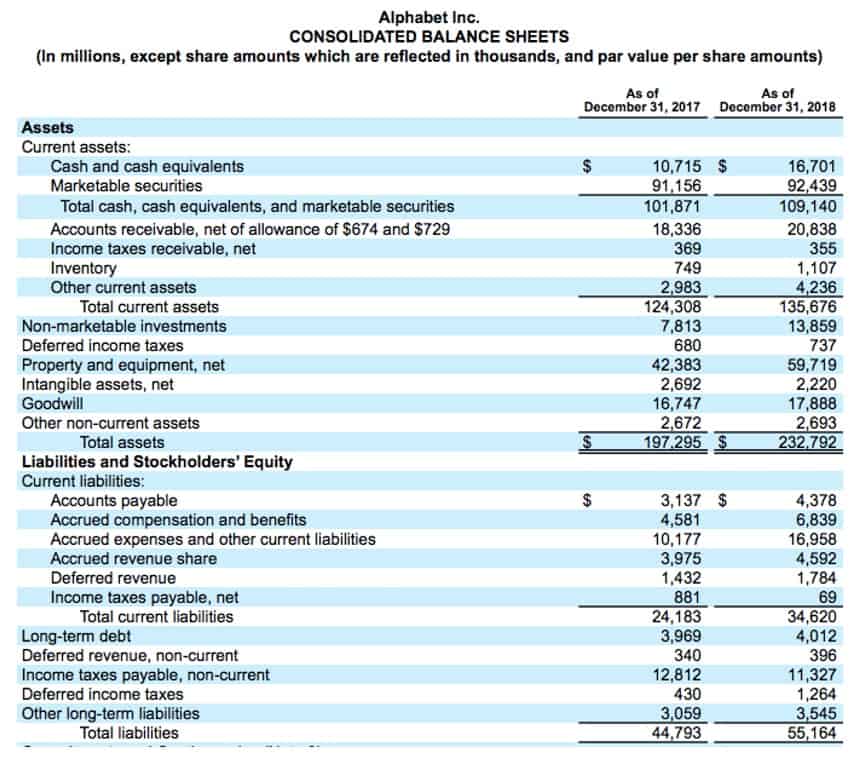
Cash is labeled account number 101 because it is an asset account type. The date of January 3, 2019, is in the far left column, and a description of the transaction follows in the next column. Cash had a debit of $20,000 in the journal entry, so $20,000 is transferred to the general ledger in the debit column. The balance in this account is currently $20,000, because no other transactions have affected this account yet.

How long should journal records be kept?

Journal entries are the foundation of the accounting system, providing a systematic way of recording and tracking every financial transaction within a business. They are important for maintaining the integrity of unearned revenue a company’s financial data. Therefore, it is crucial for stakeholders and business owners to understand the intricacies of journal entries and their importance in ensuring financial reporting accuracy. This process resets the temporary accounts for the next period.